When people search for automated investing, they usually find two completely different things lumped together. One is a robo-advisor. The other is a trading algorithm. They both run on autopilot, but they do very different jobs with your money.
In this video I’ll break down what each one actually does, what you’re really getting, and who each one makes sense for. By the end you’ll know which kind of automation fits what you’re trying to do.
Both automated. Different jobs.
Let’s start with the robo-advisor. You answer a few questions, it puts you in a mix of index funds, usually stocks and bonds, and it rebalances back to that mix over time. Its goal is to match the market at a low cost. It’s simple, it’s cheap, and for a lot of people it’s a great place for their money.
A trading algorithm is a different animal. Instead of buying the whole market, it picks individual stocks using a fixed set of rules, and it changes what it owns as the leaders change. The goal isn’t to match the market. It’s to own whatever is strongest right now.
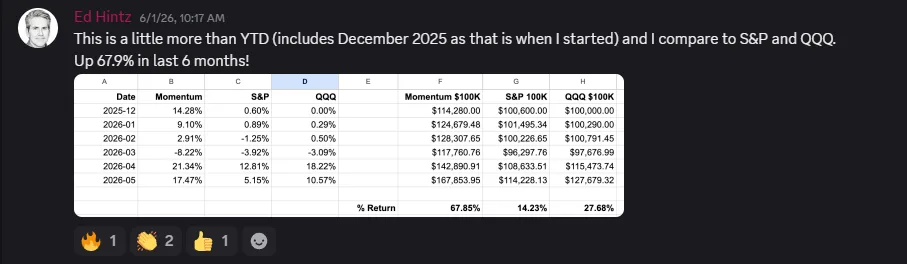
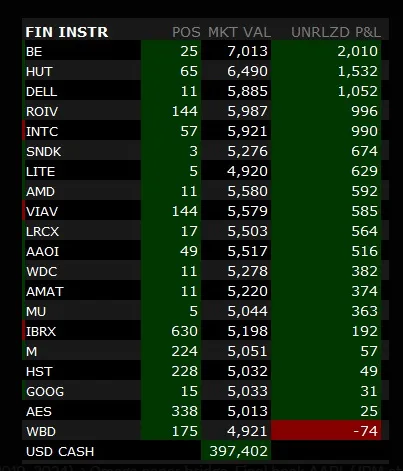
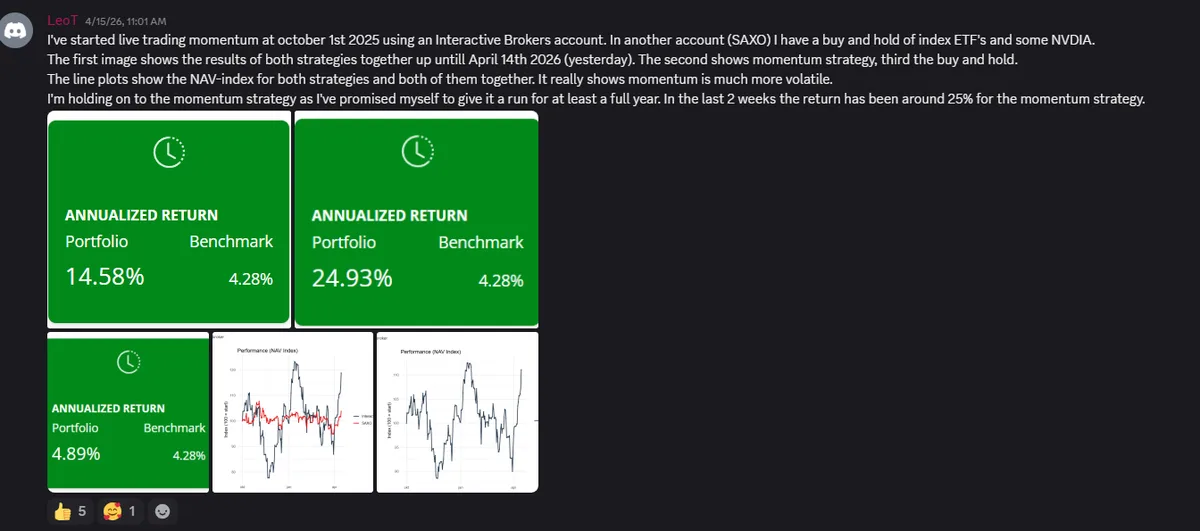
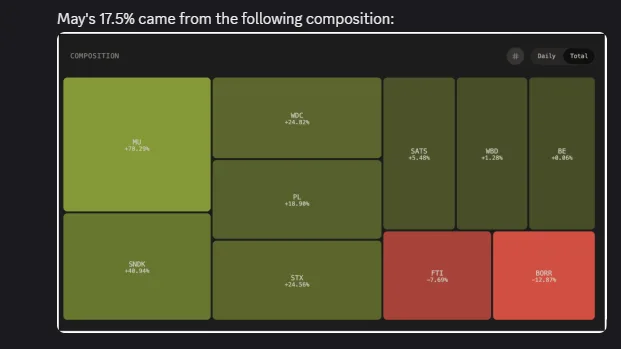
That’s what Strike does. It ranks about 450 of the most liquid U.S. stocks every day, holds the strongest 20, and rotates once a month. That focus is where the upside comes from. It’s also why the swings are bigger than an index fund, in both directions.
Curious what owning the leaders would look like for you?Book a call →Hear it from people who use Strike Pick the one that matches you
So how do you choose? It comes down to what you want your money to do.
If you want to match the market with the smallest possible swings, a robo-advisor is built for that. If you want to own the stocks that are leading right now, and you can handle bigger swings for the chance at more, that’s what a trading algorithm is for.
Two more things to check with any automated product. First, can you actually read the rules? If somebody tells you it’s a secret, walk away. Second, where does your money sit? With Strike, it sits in an Interactive Brokers account in your own name. Strike can place trades. It can’t withdraw a dollar.
A lot of people do both, by the way. They keep their core in index funds and put a slice into a strategy like this.
Your whole job: about 15 minutes a month
So what does the automation actually look like day to day?
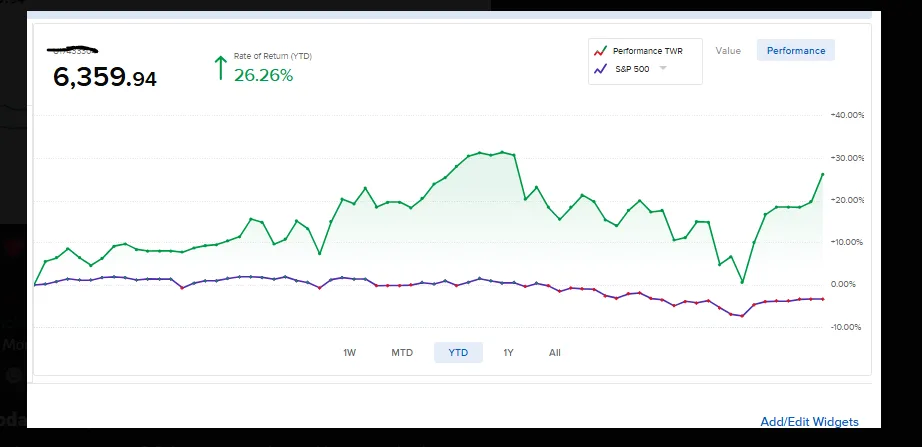
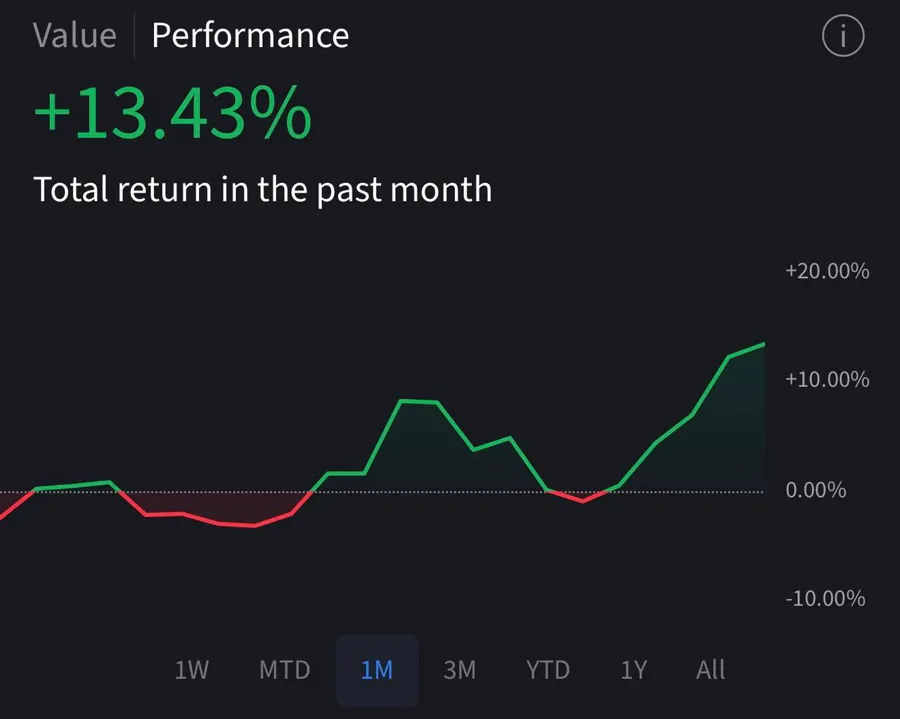
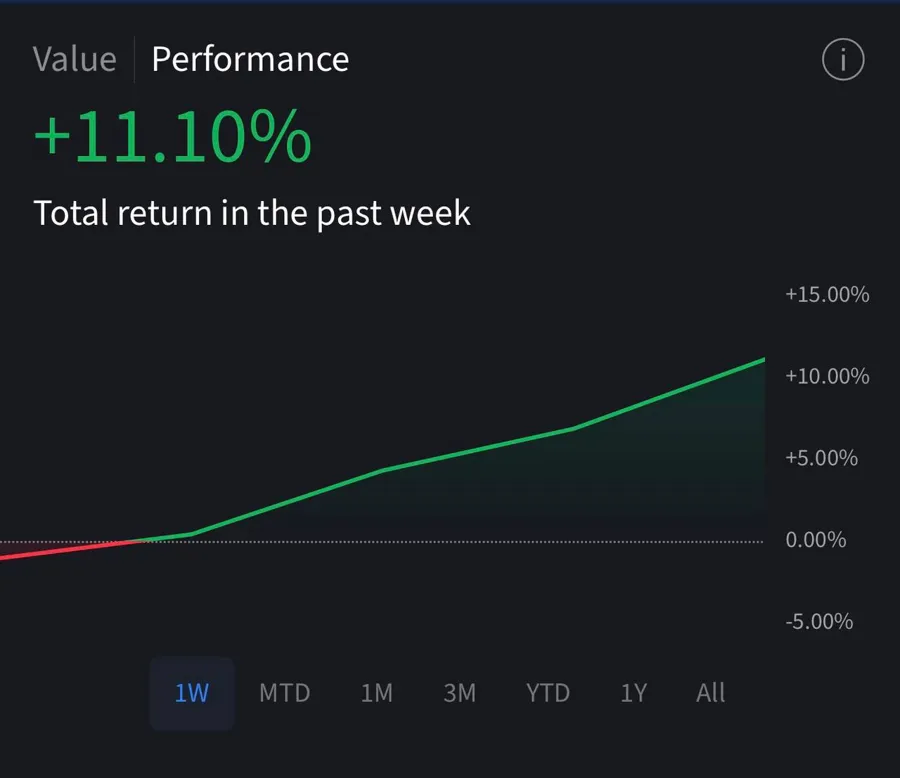
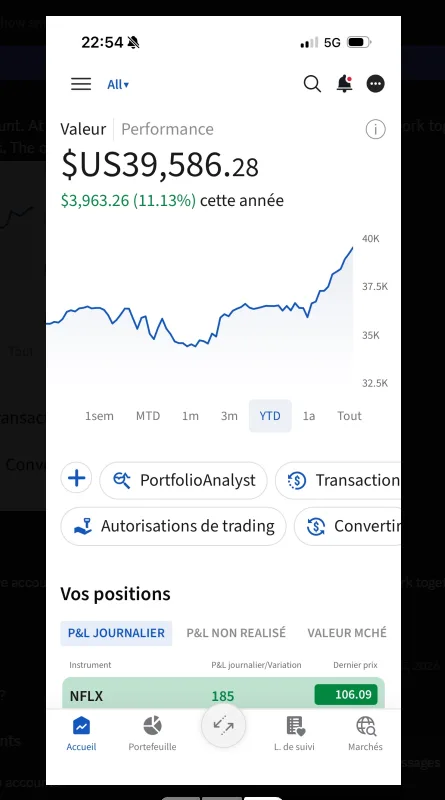
Every day, the stocks get re-ranked, so you can always see where everything stands, the portfolio value, the return, and the 20 positions it’s holding.
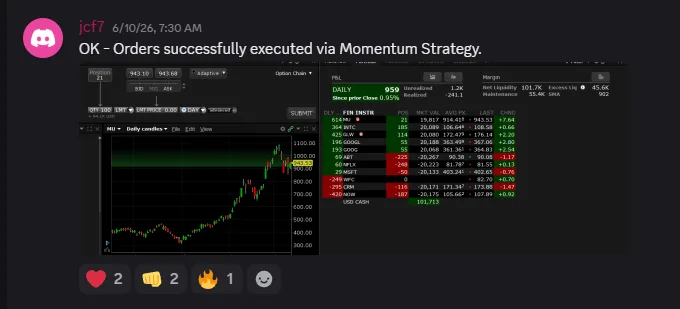
When it’s time to rotate each month, all 20 orders are already built. You look them over and confirm. That’s your whole job, about 15 minutes a month.
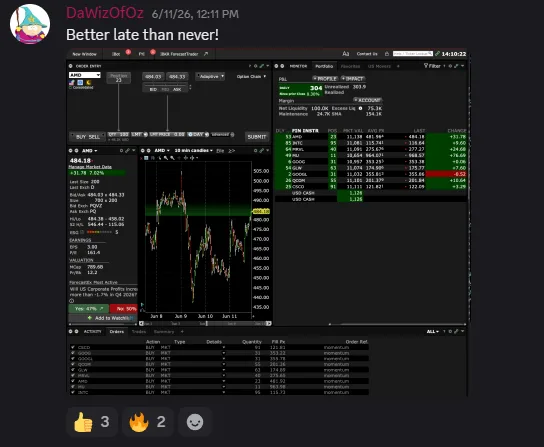
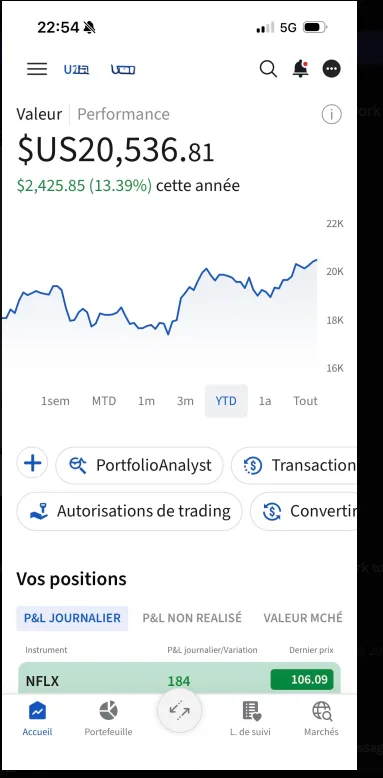
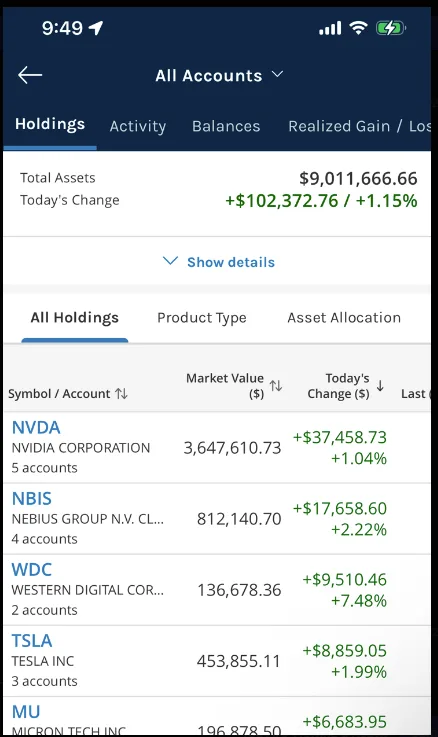
And the orders go into your own Interactive Brokers account, where every trade shows up the moment it happens.
See the automation run, live.
So that’s the difference. A robo-advisor automates matching the market. A trading algorithm like Strike automates owning the leaders, with rules you can read, in an account in your own name.
If you want to see it run on your own numbers, go to strikealgo.net and book a call. We’ll walk you through the platform live and show you the full verified record.
Why this matters if you’re considering Strike
A lot of people keep their core in index funds and add a focused slice for growth. If that sounds like you, the call is where we figure out how big that slice should be, what the swings could feel like, and what your 15 minutes a month actually look like.
What happens on your call1We open the record togetherThe verified report, every month, the good and the bad. Ask anything.
2We map it to your accountHow Strike would run in your own Interactive Brokers account, the minimum, and what the swings could feel like.
3You decidePaper trade first if you like. No pressure, and if it isn’t a fit, we’ll tell you.
$100,000, same months
Jegadeesh & Titman 1993George & Hwang 2004Moskowitz, Ooi & Pedersen 2012
$100,000 invested April 2020, value September 30, 2026. MTUM NAV total returns per BlackRock. Strike: verified model record, gross of fees. Same months.

 Click to watch the video2:41 · Turn your sound on 🔊